

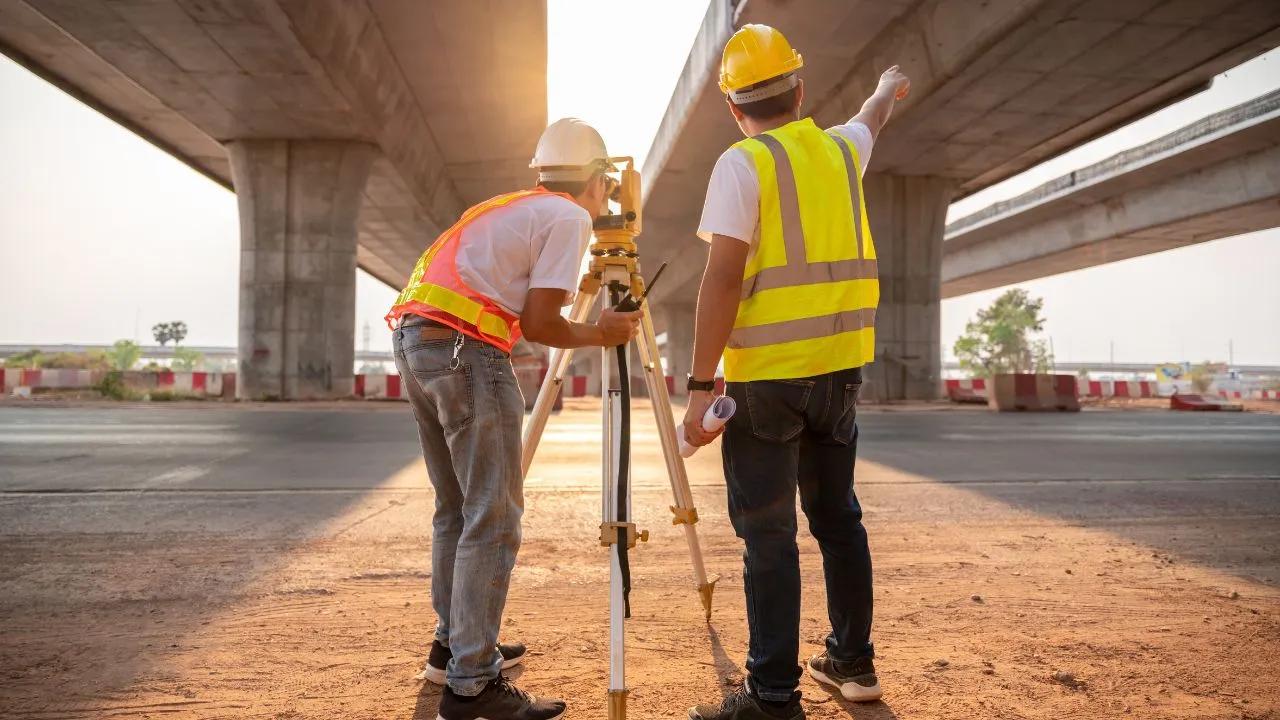
Dubai continues to develop at an impressive pace, with residential towers, commercial buildings, hotels, industrial facilities, and mixed-use communities transforming the city’s skyline. Behind every successful structure is careful engineering that balances safety, performance, appearance, cost, and long-term durability. Structural engineering is therefore an essential part of the building process, from the first concept through detailed design and construction support. Integra provides engineering expertise focused on practical solutions, technical accuracy, and project requirements. Working with an experienced engineering team can help property owners, developers, architects, and contractors make confident decisions while creating structures that meet applicable standards.
Design Structural Engineer Dubai
Choosing a Design structural engineer Dubai can make a major difference to the quality and reliability of a construction project. Structural engineers evaluate loads, materials, building geometry, foundation conditions, and environmental influences before developing a structural system. In Dubai, where projects may range from high-rise developments to villas and commercial facilities, each building requires an approach suited to its specific use and site conditions. Integra focuses on understanding the project before recommending a structural solution. This helps reduce unnecessary complexity while maintaining the strength, stability, and serviceability expected from a professionally engineered building.
Importance of Structural Planning
Good structural planning begins long before construction equipment reaches the site. Engineers work alongside architects and other consultants to understand the proposed layout, functional requirements, architectural vision, and construction method. Early coordination can identify potential conflicts between structural elements and building services, reducing changes later in the project. A well-planned structural system can also improve material efficiency and make construction more straightforward. By considering these factors at the design stage, engineering teams can help clients control costs and avoid delays caused by preventable design issues.
Structural Design for Different Building Types
Every building has different structural requirements. A residential villa may need a straightforward reinforced concrete frame, while a high-rise tower can require advanced analysis of lateral forces, wind effects, vertical loads, and complex load paths. Commercial buildings often demand open spaces and flexible floor layouts, which influence column placement and structural spans. Industrial projects may have heavy equipment and specialized operational loads. Integra can approach each project according to its purpose, size, geometry, and technical demands. This project-specific method supports designs that are practical rather than relying on a standard solution for every development.
Materials and Structural Performance
Material selection plays an important role in structural performance. Reinforced concrete, structural steel, masonry, and composite systems each have different characteristics, applications, and design considerations. Engineers must evaluate strength, durability, construction methods, maintenance expectations, and project economics when selecting suitable systems. Proper detailing is equally important because even a sound concept can perform poorly if connections, reinforcement, joints, or other critical components are not designed correctly. Careful engineering helps ensure that the selected materials work together as intended and provide dependable performance throughout the building’s service life.
Safety and Compliance
Structural safety is one of the most important responsibilities of an engineering consultant. A building must be designed to resist expected loads and forces while providing adequate stability and strength. Depending on the project, engineers may consider dead loads, live loads, wind actions, seismic effects, temperature changes, and other relevant conditions. Design documentation and calculations should also align with applicable regulations and project requirements. Integra emphasizes technical review and coordination so that structural decisions are supported by sound engineering principles and clear documentation. This professional approach gives clients greater confidence during approvals and construction.
Structural Analysis and Advanced Tools
Modern structural engineering benefits from digital analysis and modeling tools that allow engineers to examine complex building behavior before construction begins. Structural models can help evaluate load distribution, member forces, deflection, stability, and other performance factors. Digital coordination can also improve communication between architects, structural engineers, and other disciplines. However, software is only as effective as the engineering judgment behind it. Experienced professionals must select suitable assumptions, interpret results correctly, and review models carefully. Integra combines engineering knowledge with modern design methods to support accurate and efficient structural development.
Coordination During Construction
Structural engineering does not necessarily end when drawings are issued. Construction can introduce questions, site conditions, material changes, and coordination requirements that need professional attention. Engineers may review technical information, respond to structural queries, assess proposed changes, or coordinate with contractors and consultants. Prompt communication can help prevent small issues from becoming expensive delays. For developers and contractors, having an accessible engineering team provides an additional layer of technical support throughout the project. Integra aims to maintain clear communication so structural decisions remain aligned with the approved design and practical site requirements.
Why Professional Structural Expertise Matters in Dubai
Dubai’s construction environment requires attention to technical detail, project coordination, quality expectations, and regulatory requirements. Selecting the right structural engineering partner can help clients navigate these demands with greater confidence. Professional expertise is particularly valuable when a project has unusual geometry, demanding architectural features, large spans, significant heights, or challenging site constraints. A capable engineering team can identify risks early, explain technical options clearly, and develop solutions that support the project’s broader objectives. This can improve decision-making from the initial concept through construction and future maintenance.
Choosing Integra for Structural Engineering
When selecting an Design structural engineer Dubai, clients should look beyond drawings and consider experience, communication, technical capability, and understanding of project objectives. Integra approaches structural engineering with a focus on practical design, careful analysis, coordination, and dependable technical support. The goal is to create structural solutions that work not only on paper but also within the realities of construction and building use. Whether a project involves a new development, renovation, extension, or specialized facility, professional structural input can help establish a stronger foundation for successful delivery.
Conclusion
A reliable structural design supports safety, durability, efficiency, and long-term value. Integra provides practical structural engineering support in Dubai, helping developers, architects, and contractors make informed decisions. Strong analysis and coordination can turn ambitious building concepts into dependable structures designed for lasting performance.