

Civil Engineering Design in the UAE: Building Stronger, Smarter and More Sustainable Projects
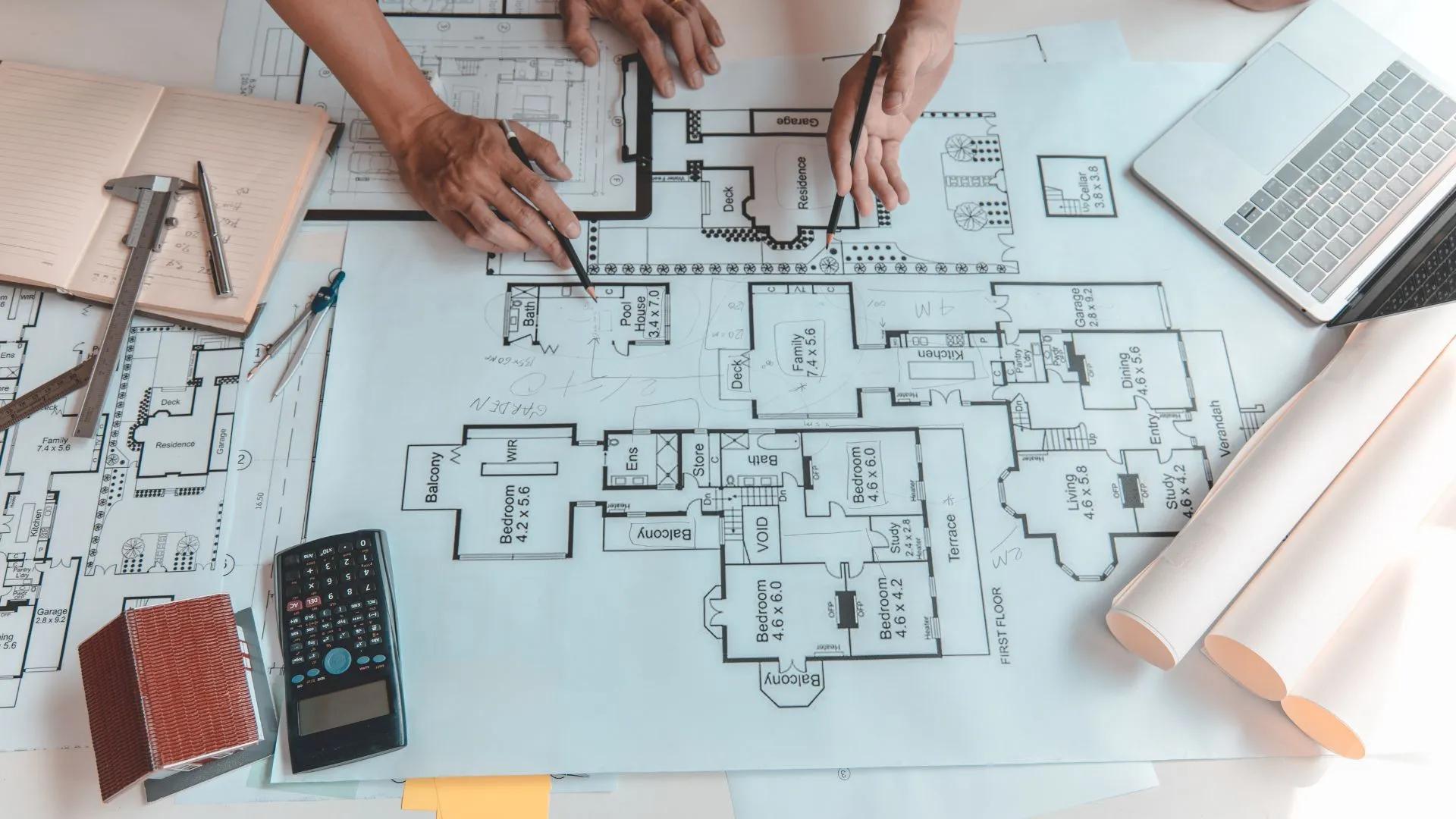
The United Arab Emirates continues to grow through ambitious buildings, modern roads, residential communities, commercial districts and essential infrastructure. Behind every successful project is careful planning that turns an idea into a safe, practical and lasting structure. Civil engineering plays a central role in this process, connecting technical knowledge with the needs of people, businesses and communities.
Why Civil engineering design uae Matters
Civil engineering design uae services help developers, property owners and organizations transform project requirements into coordinated engineering solutions. Good design considers the site, soil conditions, structural requirements, drainage, access, utilities, materials and applicable regulations before construction begins. In a region with varied ground conditions, high summer temperatures and periods of intense rainfall, these details are especially important. A carefully prepared design can reduce avoidable changes, support efficient construction and help a development perform reliably over time.
Planning Around the Project Site
Every site has its own opportunities and limitations. Engineers begin by understanding the land, boundaries, levels, access points and surrounding development. A topographical survey can establish existing ground elevations, while a geotechnical investigation provides information about soil layers, groundwater and bearing capacity.
Early coordination is valuable because a design that ignores site conditions may create expensive problems later. For example, unsuitable levels can affect vehicle access and stormwater flow. Poorly considered ground conditions can lead to foundation revisions.
Structural Safety and Practical Construction
Structural engineering is a core part of civil design. Engineers assess the loads a building or structure must carry, including its own weight, occupants, equipment, wind effects and other relevant forces. They then develop a suitable structural system and specify materials and connections that meet the project's performance requirements.
It should also be practical to build, inspect and maintain. Clear drawings, coordinated details and realistic construction sequences help contractors understand the intended work. This joined-up approach can improve quality while limiting delays and unnecessary material use. Digital tools help teams review drawings, share updates and identify design conflicts earlier. Organized information makes decisions easier to track and gives construction teams a consistent set of current documents throughout the project lifecycle.
Drainage, Roads and Infrastructure
Infrastructure design shapes how people move through and use a development. Road layouts need to consider traffic movement, turning requirements, pedestrian safety, accessible routes and connections to the surrounding network. Pavement design should reflect expected vehicle loads and site conditions so that roads and parking areas remain serviceable.
Stormwater management is equally important. Engineers review site levels, rainfall considerations, discharge routes and the capacity of drainage systems. Well-planned grading, channels, pipes and collection points help direct water away from buildings and sensitive areas. Drainage must be coordinated with landscaping, utilities and road design rather than treated as a separate afterthought.
Meeting UAE Standards and Authority Requirements
Projects in the UAE must be developed with attention to the regulations and approval processes that apply to their location and type. Requirements can differ between emirates, municipalities, free zones and project authorities. Design teams should identify the relevant standards, submission procedures and technical conditions at the beginning of the project.
Accurate documentation is essential for a smooth review. Drawings, calculations, reports and supporting details should be consistent and clearly presented. When comments are received, the engineering team needs to understand the issue, coordinate any revisions and update related documents. Early communication with the client and other consultants can help avoid conflicting submissions and reduce the risk of late design changes.
Sustainable and Cost-Conscious Design
Sustainable engineering means considering a project's effects throughout its useful life. Design choices can influence energy demand, water use, material consumption, maintenance needs and resilience. Engineers can support more responsible outcomes by selecting efficient structural layouts, reducing unnecessary excavation, considering durable materials and coordinating infrastructure to avoid waste.
Cost-conscious design does not mean choosing the cheapest option in every situation. It means balancing initial investment with performance, durability and future maintenance. A material that costs less at the beginning may require more frequent repairs. A well-coordinated layout may reduce construction waste and shorten installation time.
The Value of an Experienced Engineering Consultant
An experienced consultant brings technical oversight and a structured approach to complex project decisions. The team should listen carefully to the client's objectives, understand the intended use of the site and explain design options in clear language.
Integra supports engineering and built-environment projects through a coordinated, professional approach. By focusing on project requirements, technical quality and collaboration, the company aims to help clients move from early concepts toward workable design solutions.
Choosing the Right Design Partner
Before appointing a consultant, clients should consider relevant project experience, technical capabilities, familiarity with local approval requirements and the quality of previous work. It is useful to discuss the proposed scope, expected deliverables, programme, coordination responsibilities and how design changes will be managed.
Clients should also look for a team that communicates risks honestly. However, a responsible consultant can identify assumptions, explain where further investigation is needed and recommend sensible next steps. This transparency helps protect the project and builds confidence between the client, consultant and contractor.
How Civil engineering design uae Supports Better Project Outcomes
Effective Civil engineering design uae brings site knowledge, structural planning, infrastructure coordination and regulatory awareness together in one clear process. It helps ensure that roads, drainage, foundations and related civil works support the wider development instead of creating conflicts during construction. For developers and property owners, this coordination can improve buildability, manage project risks and support lasting performance. Choosing a capable engineering partner such as Integra gives clients a professional point of contact for turning project goals into considered technical solutions.
Conclusion
Successful development depends on decisions made long before construction equipment reaches the site. Careful civil engineering design supports safety, usability, compliance, durability and responsible investment. By assessing site conditions, coordinating disciplines, planning infrastructure and preparing clear documentation, project teams can create places that serve their users for years.