

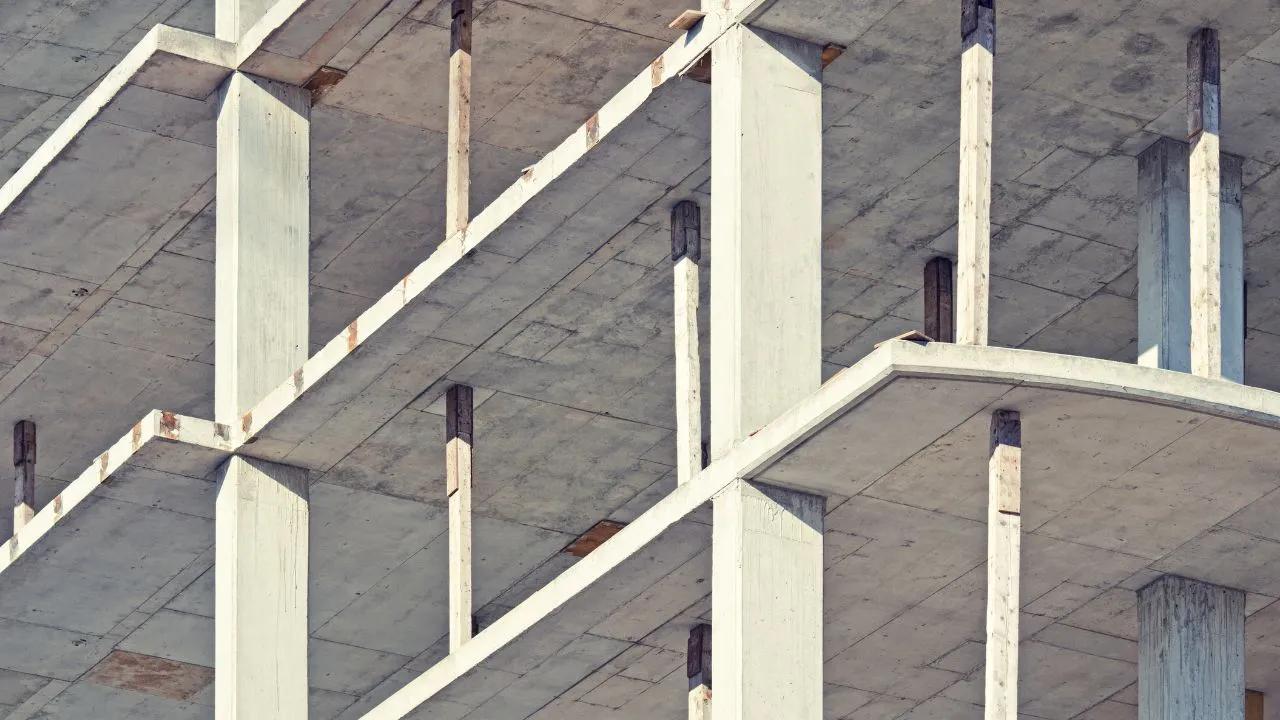
Modern buildings need more than attractive designs; they need strength, stability, durability, and careful planning from the earliest stage. A reliable structural approach helps reduce construction risks, improve performance, and protect long-term investment. A carefully engineered structure is easier to evaluate, coordinate, and maintain throughout its service life. This is why structural expertise should be treated as a core part of project planning rather than an afterthought.
Every building has unique requirements that demand careful technical consideration. For developers, property owners, architects, and contractors, professional engineering guidance can simplify complex decisions involving foundations, framing systems, materials, loads, and construction methods. Experienced professionals help ensure that structural choices support both safety and the practical objectives of the project.
Structural Engineering Consultancy
Structural Engineering Consultancy provides specialized technical knowledge for designing safe and efficient structures. Engineers study architectural plans, site conditions, material properties, expected loads, and applicable building requirements before developing suitable structural solutions. Their work may cover residential buildings, commercial developments, industrial facilities, renovations, and other projects where structural performance is essential.
A strong consultancy service also connects structural decisions with practical project goals. Engineers can help balance safety, functionality, material efficiency, construction methods, and budget considerations without compromising essential performance. Consultants may also assess existing structures when owners consider extensions, alterations, repairs, or changes in use. Understanding current conditions helps guide appropriate strengthening or redesign strategies.
Planning Structures Around Real Project Needs
Every building has different requirements, so structural solutions should never depend on a one-size-fits-all approach. A professional team considers building use, dimensions, occupancy, site characteristics, environmental conditions, construction materials, and future requirements. Effective planning helps determine suitable structural systems and ensures that design decisions respond to the actual demands of the project.
Effective planning can also improve communication between architects, engineers, contractors, and clients. When structural requirements are considered alongside architectural intent, conflicts can be discovered earlier and resolved more efficiently. Clear coordination can reduce redesign, material waste, delays, and uncertainty on site, creating a smoother path from initial concepts to construction.
Structural Analysis and Design Accuracy
Structural analysis is central to understanding how a building will respond to different forces and loads. Engineers assess factors such as dead loads, live loads, wind effects, seismic considerations where relevant, and other project-specific actions. Accurate analysis supports decisions about member sizes, materials, connections, and foundations. Integrated analysis considers how individual components interact within the complete structural system.
Design accuracy matters because even small oversights can affect construction quality and long-term performance. Professional engineers review calculations and drawings carefully to maintain consistency between design intent and technical documentation. They can also coordinate structural details with architectural and building service requirements, helping prevent clashes that may otherwise cause expensive site changes.
Supporting Efficient Construction
A well-developed structural design does more than prove that a building can stand; it can make construction more straightforward. Practical detailing helps contractors understand dimensions, reinforcement, connections, materials, and sequencing requirements. When documentation is clear, site teams can make informed decisions and reduce unnecessary interpretation. Clear documentation supports approvals, tendering, construction planning, and future maintenance throughout the building’s service life.
Consultants may also provide technical support when questions arise during construction. Changes in materials, site conditions, or architectural requirements can create structural implications that need professional assessment. Having engineers available to review proposed changes helps ensure that modifications are considered carefully rather than made without understanding their effects. This responsive approach can protect original design objectives while supporting real-world project progress.
Why Choose Integra for Structural Expertise
Integra understands that successful structural work requires a combination of engineering knowledge, careful coordination, and attention to project objectives. The company can support clients by approaching structural challenges with practical thinking and a focus on dependable outcomes. From early design discussions through technical development, professional guidance can help teams make informed decisions and maintain consistency across different project stages.
Working with an experienced consultancy can also give clients greater confidence when navigating technical requirements. Integra focuses on developing solutions that consider structural performance, project practicality, and long-term value. By encouraging communication among project stakeholders, the consultancy approach can help identify challenges early and keep structural considerations aligned with the wider development strategy. This makes professional engineering input valuable for both new construction and complex improvement projects.
The Value of Professional Structural Guidance
Investing in professional structural advice can deliver benefits far beyond the design stage. Sound engineering decisions can support durability, reduce unnecessary material use, improve constructability, and help avoid costly corrections. They can also provide greater confidence that the structure has been considered against relevant requirements and expected conditions. For property investments intended to serve people for decades, this level of preparation is an important part of responsible development.
A dependable structural consultant becomes a technical partner rather than simply a service provider. By understanding project priorities and communicating recommendations clearly, engineers can contribute to better decisions throughout planning, design, and construction. Their expertise can help address challenges before they affect schedules or budgets. The result is a more coordinated development process and a stronger foundation for long-term success.
Structural Engineering Consultancy as a Smart Investment
Choosing Structural Engineering Consultancy at the right time can significantly influence the quality and efficiency of a building project. Professional structural engineers bring systematic assessment to decisions involving foundations, framing systems, materials, loads, and construction details. Their involvement helps ensure that structural choices are based on engineering evidence rather than guesswork, supporting safer outcomes and more controlled project delivery.
For clients seeking dependable expertise, Integra offers a professional approach centered on technical understanding and practical project needs. Structural consultancy can help clarify complex requirements, strengthen coordination, and support informed choices from concept to completion. Whether a project involves a new development, expansion, renovation, or specialized structure, the right engineering guidance can protect value while supporting performance. Selecting capable professionals early is therefore a strategic decision, not merely a technical formality.
Conclusion
Strong structures begin with thoughtful engineering. From initial planning and analysis to detailed design and construction support, professional structural expertise helps turn ambitious concepts into dependable built environments. Careful coordination, accurate calculations, and practical solutions can reduce risk while improving project confidence and long-term performance. With Integra supporting the structural side of development, clients can approach their projects with clearer technical direction and a stronger foundation for lasting results.